BofA CEO: Hedge Fund Collapse a Warning for Leveraged Markets
The Situational Awareness hedge fund meltdown drew scrutiny from Bank of America's CEO, who called it a cautionary signal for leveraged markets broadly.
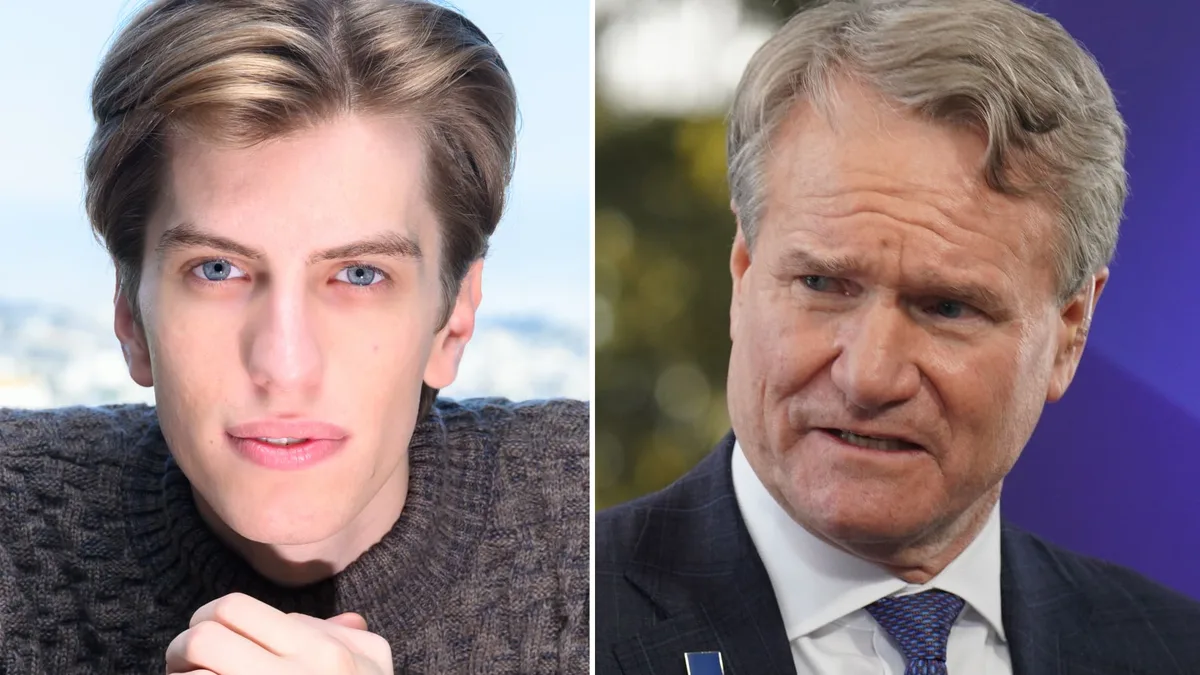
The collapse of Situational Awareness, a hedge fund run by Leopold Aschenbrenner, has prompted Bank of America's chief executive to characterize the episode as a warning shot aimed squarely at the broader world of leveraged investing. The fund's unraveling drew particular attention given that Bank of America was listed among its prime brokers — the institutional intermediaries that provide financing, securities lending, and other critical infrastructure to hedge funds operating with significant borrowed capital.
When a prime broker extends leverage to a fund, it takes on direct exposure to that fund's positions and risk profile. The Situational Awareness meltdown therefore placed Bank of America not merely in the role of outside observer but as an active participant with skin in the game — a dynamic that lends added weight to the CEO's public warning and suggests the episode was close enough to home to merit a candid assessment.
Read more Galaxy Digital Posts $85M Net Loss as Crypto Markets Slump in Q2 →
The framing of this event as a "warning shot" rather than an isolated incident carries meaningful analytical weight. It implies that the conditions enabling this particular blowup — excess leverage, concentrated positions, or insufficient risk controls — may not be unique to one fund. Instead, they could reflect vulnerabilities embedded more deeply across the leveraged-fund ecosystem, which has expanded considerably in recent years as low-cost borrowing encouraged risk-taking at scale.
For regulators and institutional investors alike, the episode raises pointed questions about how prime brokers monitor and manage the aggregate leverage they extend across their hedge fund clients. A single fund's failure is manageable; a correlated unwinding across multiple overleveraged funds would present a far more systemic challenge. The BofA CEO's remarks suggest at least one major institution is taking that tail risk seriously.
Continue reading at CNBC.